

Taiwan Strengthens Global Indigenous Partnerships through Education and Cultural Exchange
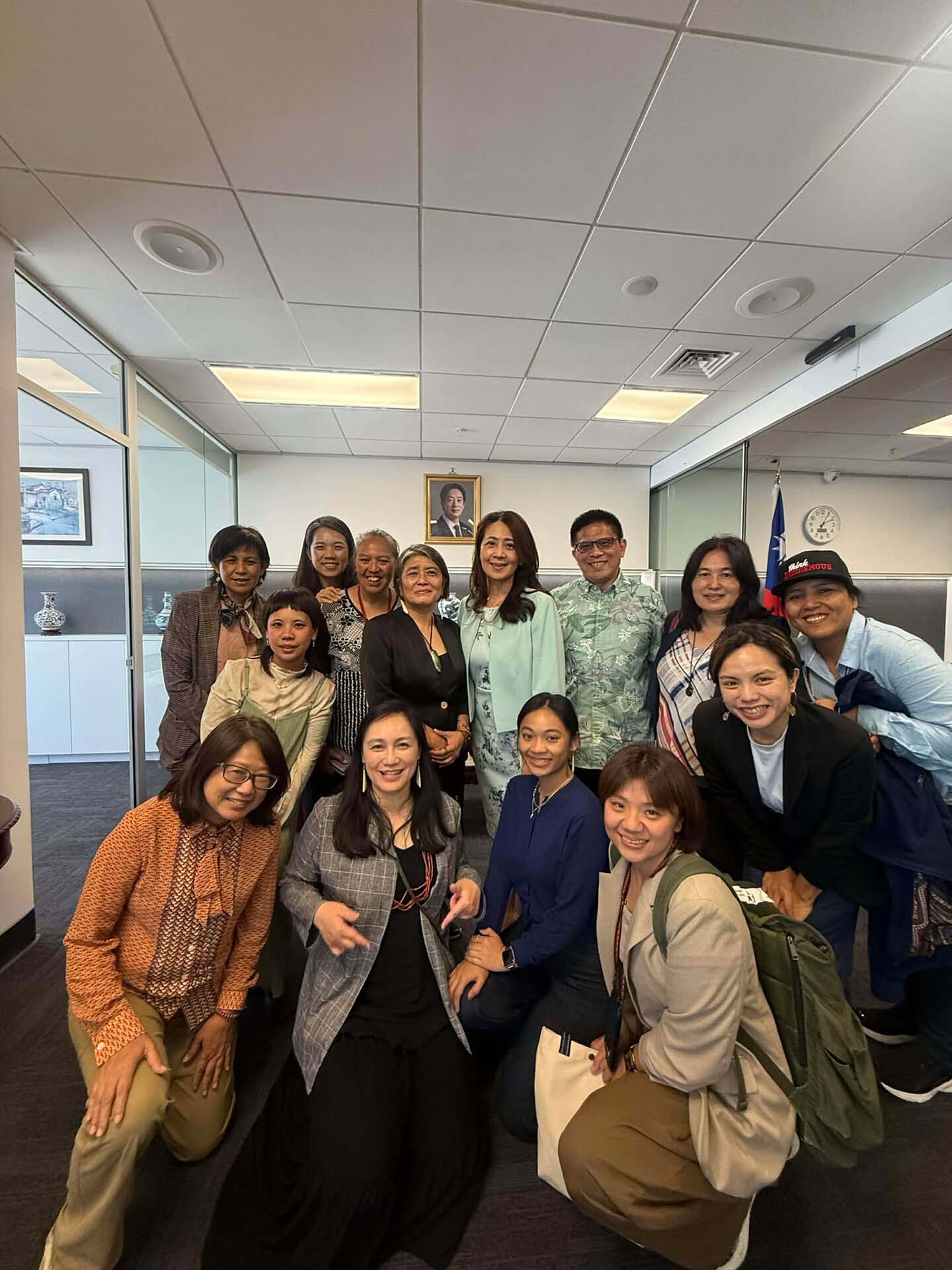
Prof. Bavaragh Dagalomai Jolan Hsieh, Director of the Center for International Indigenous Affairs at National Dong Hwa University, led a 12-member Taiwanese delegation of Indigenous scholars, educators, and graduate students to Auckland and Wellington, Aotearoa New Zealand. The delegation participated in major international conferences and institutional visits, deepening collaborations in Indigenous education, policy dialogues, and intercultural knowledge exchange. The visit showcased Taiwan’s active role as a committed partner in global Indigenous knowledge-sharing.
WINHEC 2025: International Recognition of Taiwan’s Indigenous Knowledge and Education
The World Indigenous Nations Higher Education Consortium (WINHEC 2025) was hosted at Te Wānanga o Aotearoa, gathering Indigenous education leaders from around the world to discuss language revitalization, educational reform, and cultural sustainability. Taiwan’s long-term efforts in Indigenous education received prominent recognition, with five Taiwanese nominees honored in the categories of Elders of Indigenous Wisdom and Service to Indigenous Education. The awards affirm Taiwan’s growing global influence, driven by locally grounded knowledge innovation and community-centered language revitalization.
WIPCE 2025: Taiwan Showcases Educational Transitional Justice and Global Collaboration
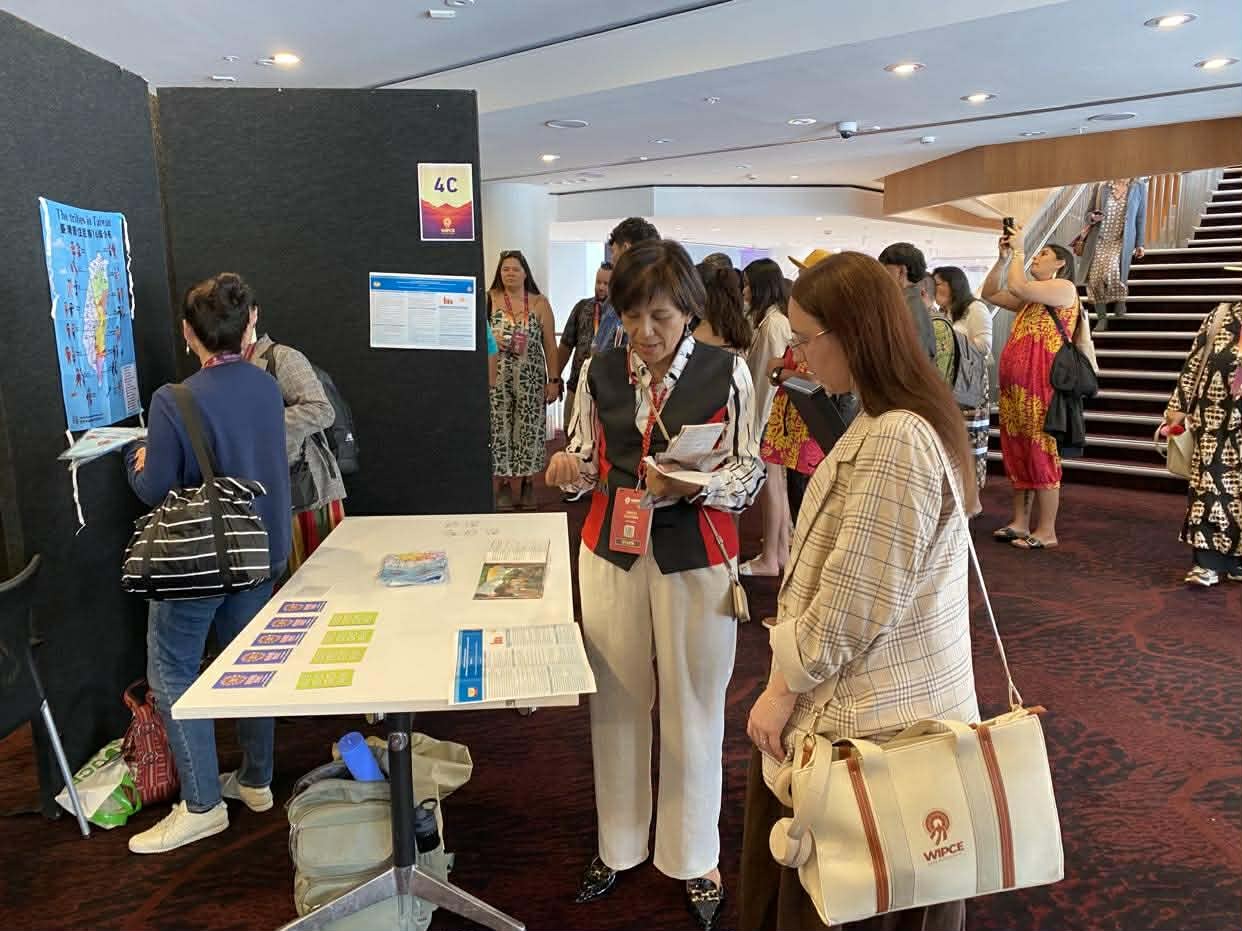
The World Indigenous Peoples’ Conference on Education (WIPCE 2025)—the world’s largest Indigenous education gathering—took place in central Auckland, bringing together nearly 4,000 Indigenous educators and practitioners. Over 50 Taiwanese participants contributed through academic presentations, cultural performances, and hands-on workshops, reflecting Taiwan’s integration of research and cultural practice.
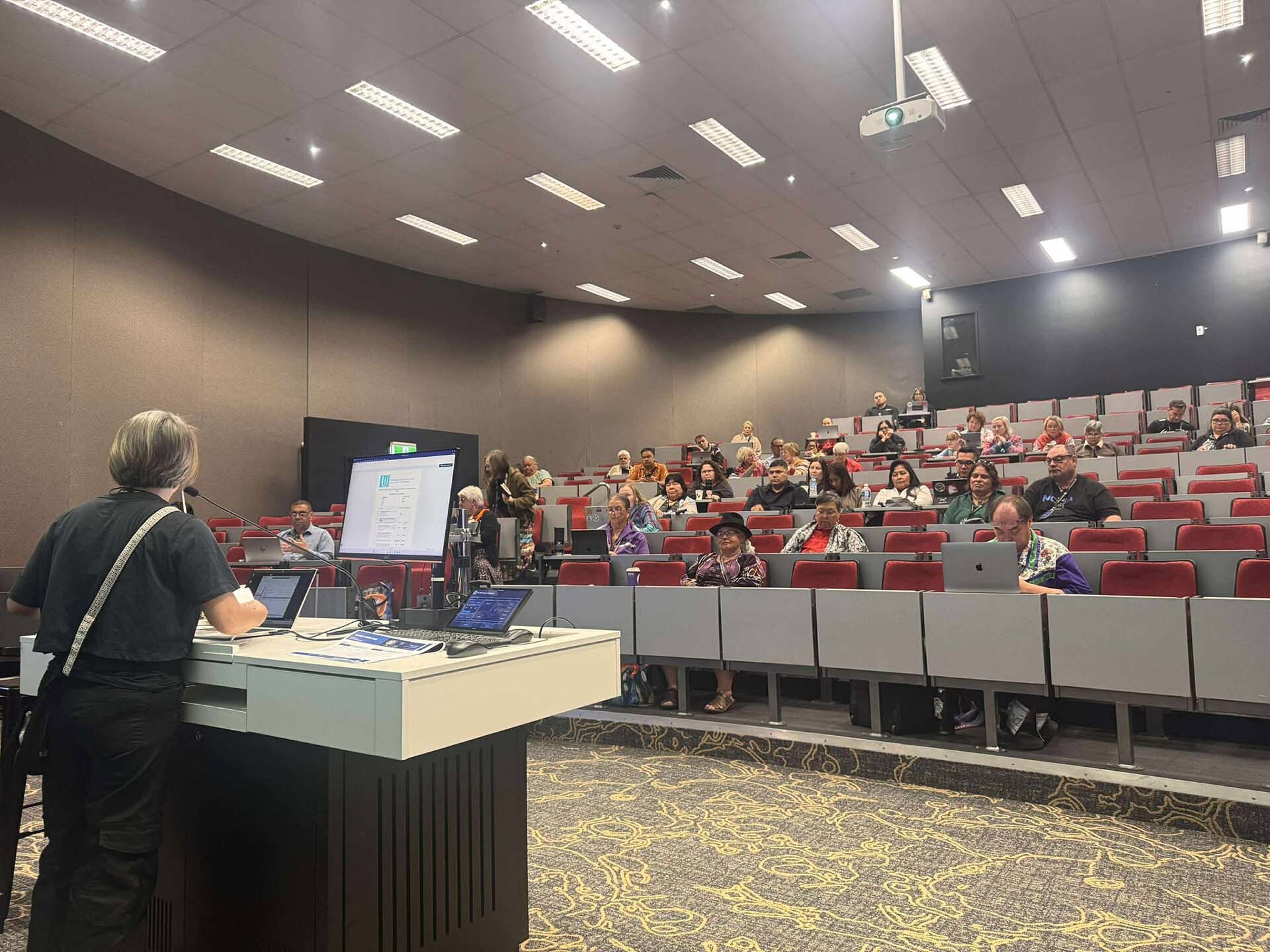
Prof. Jolan Hsieh, alongside Dr. Elmer Guy, President of Navajo Technical University (NTU, USA), co-presented “Leadership Across Distance”, reflecting on how WINHEC sustained global collaboration despite the pandemic’s geographic and time-zone challenges. Additionally, under the leadership of Dean Awi Mona, the Taiwan team presented collectively on “Transitional Justice and Public Education,” highlighting Taiwan’s unique model of education-driven transitional justice that advances Indigenous rights through mainstream education policies. Delegation members Ciwas Pawan and Paicʉ Usaiyana also presented individually on related research topics, contributing to scholarly exchange.
Strategic Visits Foster Collaborative Policy Dialogue, Language Revitalization, and Research Exchanges
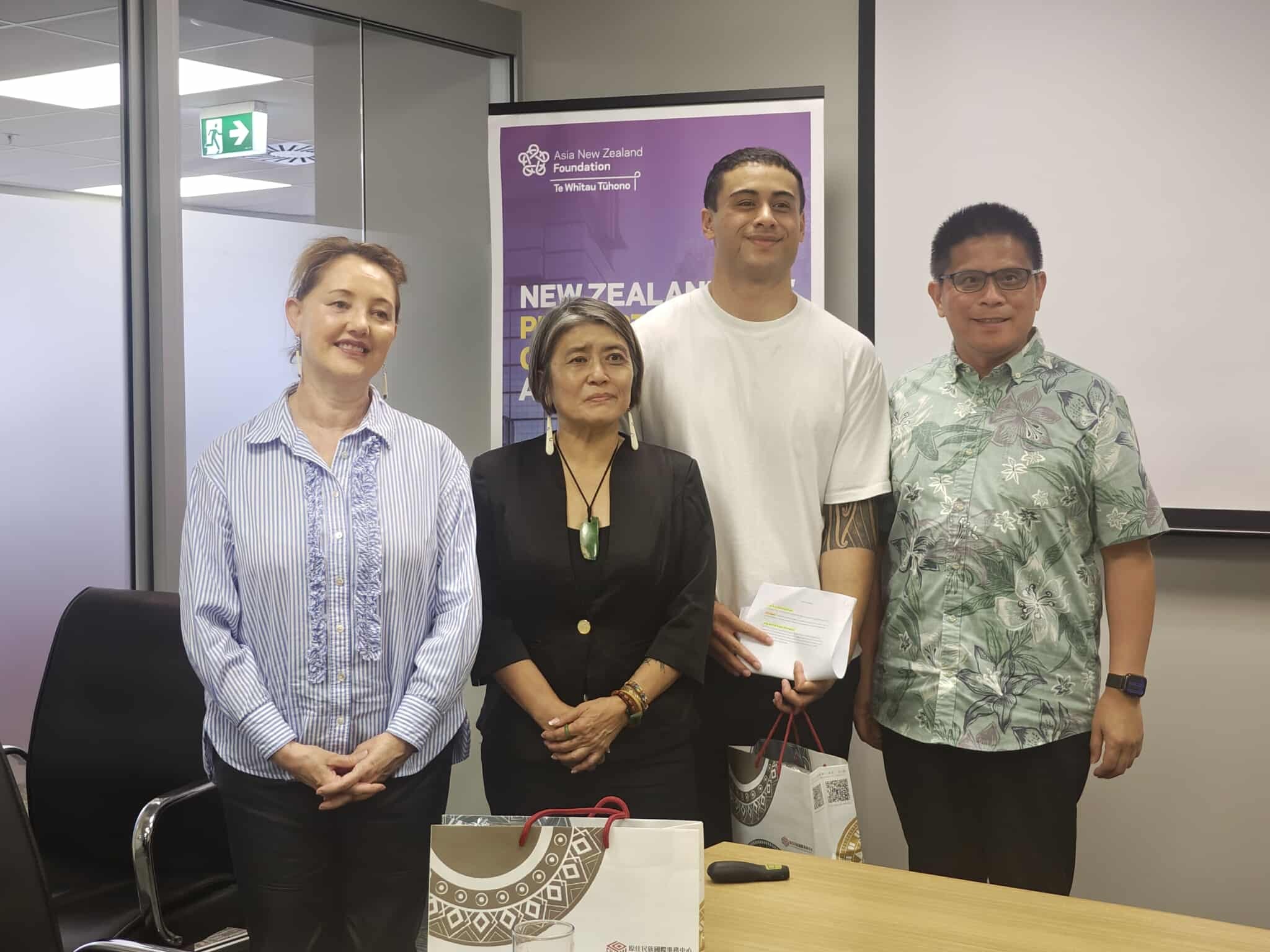
The delegation met with the Kōhanga Reo National Trust (Māori Language Nest Foundation), the Asia New Zealand Foundation, and Te Puni Kōkiri (Ministry of Māori Development) to explore cooperation involving language revitalization, Indigenous policy, and cross-regional research initiatives. Kōhanga Reo emphasized family- and community-centered language transmission, offering valuable insights for Taiwan. The Asia New Zealand Foundation highlighted the unique position of Taiwan’s Indigenous Peoples within Asian studies, while Te Puni Kōkiri discussed transforming policy consultation into effective Indigenous rights implementation.
The delegation also visited the Taipei Economic and Cultural Office in Wellington, where Ambassador Joanne Ou shared strategies on Taiwan–Aotearoa Indigenous cooperation, underscoring diplomatic efforts as a key pillar in strengthening international Indigenous relations.
Co-Creating Futures: Taiwan as a Key Global Partner in Indigenous Education
The World Indigenous Peoples’ Conference on Education (WIPCE) has never before been hosted in Asia, and this year Professor Bavaragh Dagalomai nominated Taiwan to bid for hosting WIPCE 2028. Although Hawaiʻi was ultimately selected after intense competition, Taiwan’s sincere commitment to collaboration and its strong research capacity were widely recognized internationally, laying a solid foundation for future cooperation.
Professor Bavaragh Dagalomai noted that this journey showcased Taiwan’s substantial strengths in education, cultural revitalization, and academic research, while also positioning Taiwan as an increasingly crucial actor within global Indigenous networks. She expressed special gratitude for the support of the Council of Indigenous Peoples, the Taiwan Foundation for Democracy, and the Fu-Mei Wu Scholarship, whose sponsorship enabled delegation members not only to share memories of shared colonial trauma on the international stage, but also to transform them into cross-cultural learning and co-created knowledge. She emphasized: “Through professionalism, collaboration, and innovation, Taiwan now stands on the international stage not merely as a participant, but as an important partner in co-constructing future educational paradigms with Indigenous peoples around the world.”